
Frequently Asked Questions
Structural Engineering
-
Many building projects require structural engineering design, documentation and certification to obtain a building permit and satisfy regulatory requirements.
You may need a structural engineer if your project involves removing a load-bearing wall, constructing an extension, building a new home, adding a second storey, installing retaining walls, or making other structural alterations. Your architect, building designer, builder or building surveyor can often advise whether engineering is required.
Beyond compliance, good engineering can improve constructability, optimise material use, reduce costs and help ensure your project performs as intended for years to come.
-
Possibly. Many load-bearing walls can be removed or modified, however structural support such as beams or posts may be required to safely transfer loads.
We can inspect your property, determine whether a wall is structural, and provide engineering advice and design solutions to help you achieve your renovation goals.
-
It can be difficult to determine whether a wall is load-bearing without understanding how the building was constructed. While clues such as roof direction, wall location and framing layout can help, the only reliable way to know is through a professional assessment.
We regularly inspect existing homes and provide advice regarding wall removals, renovations and structural alterations.
-
Most renovations and extensions involving structural changes require input from a structural engineer.
We work closely with homeowners, architects, building designers and builders to assess existing structures and provide engineering documentation for renovations, extensions and additions.
-
Yes. We provide structural inspections and engineering reports for cracking, movement, uneven floors, settlement concerns and other signs of structural distress.
Our inspections help identify likely causes and provide practical recommendations for repair, monitoring or further investigation where required.
-
Cracks can occur for many reasons, including normal building movement, reactive soils, foundation settlement, moisture changes, ageing materials or structural issues.
Not all cracks indicate a serious problem, however if cracking is increasing, recurring or accompanied by other signs of movement, it may be worthwhile arranging a structural inspection.
-
A structural inspection report provides an assessment of a building or structure and may identify defects, deterioration, movement, cracking or other structural concerns.
These reports are commonly used for renovations, property purchases, insurance claims, defect investigations and building notices. Depending on the circumstances, the report may include forensic engineering investigations to determine the cause of a problem and recommend appropriate remediation.
-
A soil report provides information about the ground conditions at a site and is typically used to design foundations, slabs, footings and drainage systems.
Most new homes, extensions and many other building projects require a soil report. We can assist with arranging soil testing through our preferred geotechnical consultants if required.
Civil Engineering
& Stormwater Drainage
-
Many new homes, extensions, developments and subdivisions require stormwater drainage design prepared by a qualified civil engineer.
This may include roof drainage design, legal point of discharge (LPOD) connections, on-site detention (OSD) systems, soakage pits, rain gardens and other stormwater management infrastructure required by council or relevant authorities.
-
A Legal Point of Discharge (LPOD) is the approved location where stormwater from a property can discharge into the drainage network.
Many councils require confirmation of the LPOD before approving stormwater drainage designs. Obtaining LPOD information is often one of the first steps in the drainage design process.
-
An On-Site Detention (OSD) system temporarily stores stormwater and releases it at a controlled rate to reduce pressure on the drainage network during heavy rainfall.
Some councils require OSD systems as part of new developments or significant renovations.
-
Sewer plans and BYDA information generally show the location of sewer infrastructure, but often do not provide accurate depth information.
Sewer depth and offset information helps determine whether proposed stormwater drainage can connect by gravity and assists with identifying design constraints early in the project. This information is typically obtained directly from the relevant water authority.
Building Notices & Compliance
-
A Building Notice is a formal notice issued by a council or building surveyor requesting information about building work that may not comply with building regulations.
If you receive a Building Notice, it is important to respond within the required timeframe and seek professional advice where necessary.
-
Yes. We can inspect existing works, assess their structural adequacy and provide engineering documentation that may assist with retrospective approvals or responses to Building Notices and Building Orders.
-
A retrospective approval is a process used to assess and potentially approve building works that have already been completed without the required permits or approvals.
Depending on the circumstances, engineering inspections, reports and documentation may be required to demonstrate compliance.
Working with Donnelly & Co
-
Timeframes vary depending on the size and complexity of the project, the information available and current workload.
As a general guide, engineering documentation is often prepared within 2–4 weeks of receiving all required information, while inspection reports are typically completed within 1–2 weeks of the site inspection.
We provide estimated turnaround times in our fee proposals and are always happy to discuss project-specific requirements.
-
Engineering fees vary depending on the scope, complexity and requirements of the project.
Factors such as project size, site conditions, council requirements and the level of design or reporting required can all influence cost. We provide tailored, obligation-free fee proposals so you can clearly understand the scope and deliverables before proceeding.
-
While we do not provide permit application services, we regularly prepare engineering plans, calculations, reports and certifications required to support building permits and council approvals.
We work closely with architects, building designers, builders and building surveyors to help streamline the approval process.
-
Where a project involves an existing structure, we typically recommend an inspection so we can assess the site conditions and confirm our understanding of the existing building.
This allows us to identify potential issues early, provide practical advice and ensure our engineering design is based on accurate site information.
-
We are based in Eltham in Melbourne's north-east and regularly provide structural and civil engineering services throughout Melbourne and regional Victoria.
We also undertake selected projects in Tasmania, South Australia and Queensland.
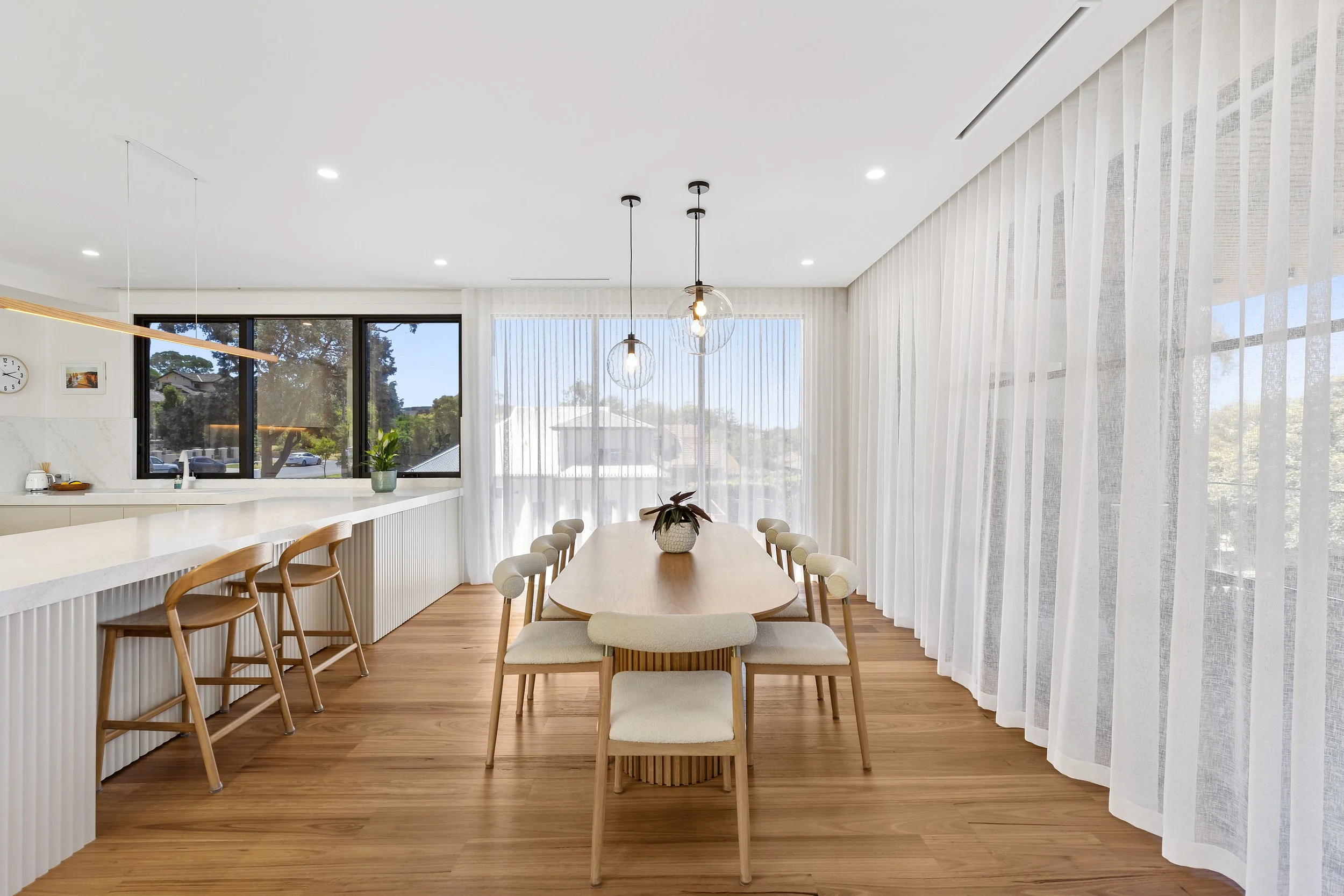
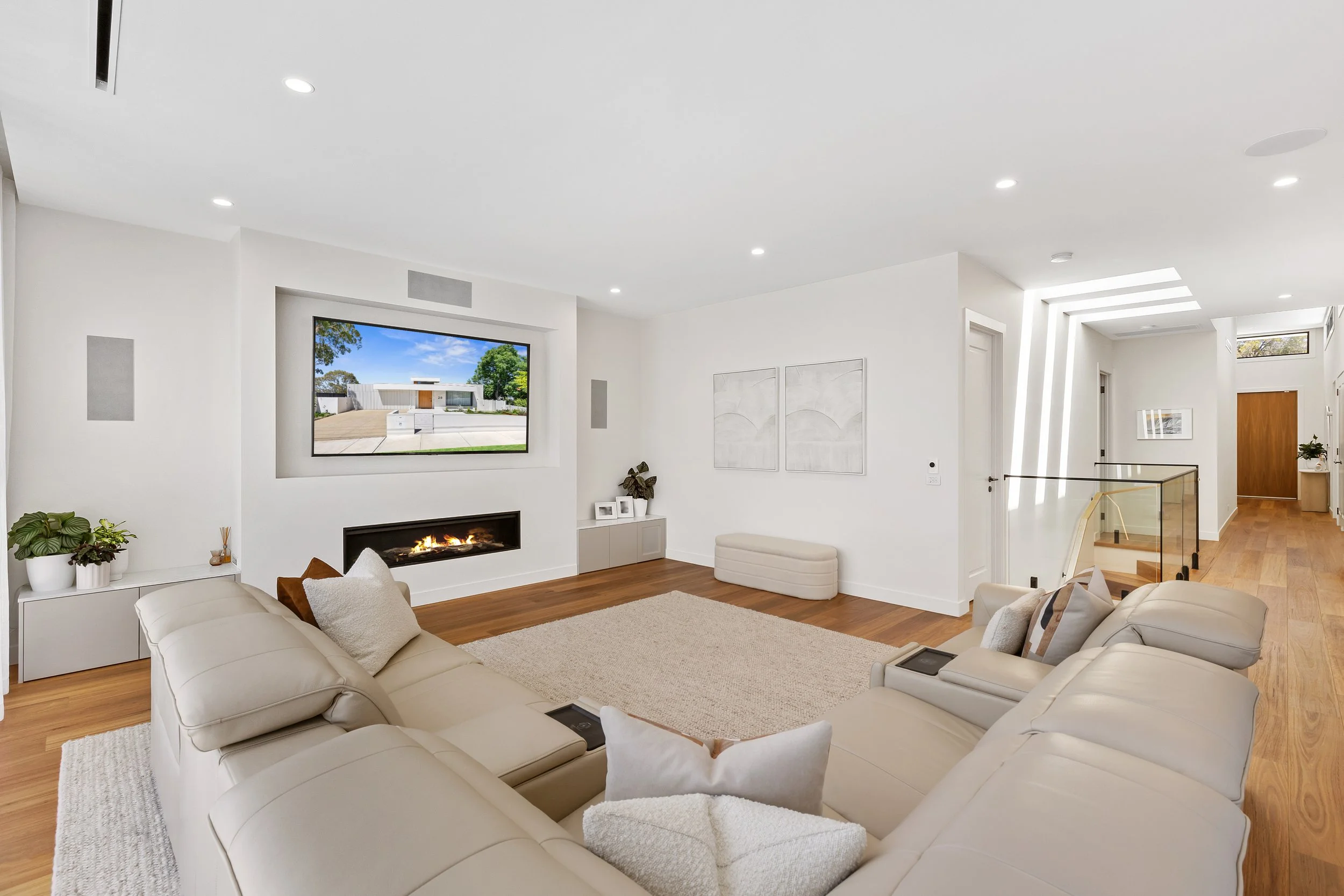



Mortimer Street, Heidelberg
Designed by Mont-Eltham Building Design and Tomorrow Living & Co
Built by Ryan Developments